No matter how much you’d like to make diving a part of your life, let DIVEIN.com get you started. We’ll help you decide fill your bucket list with ideas on where to dive on your next trip, and offer plenty of tips and tricks for safe, enjoyable dives along the way.
Torben traveled to South East Asia for scuba diving and never really stopped his search for new adventures. His affinity for gear that works and his...
Andy has been an avid diver for many years, honing his skills and passion for the underwater world. As an instructor, scientific diver, and technical diver,...
Rebecca has been an avid traveler and scuba diver for many years. She began her editorial career by updating travel guides, which took her all over...
Share
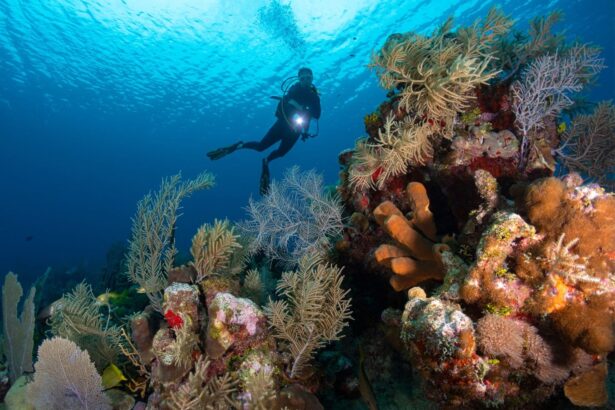
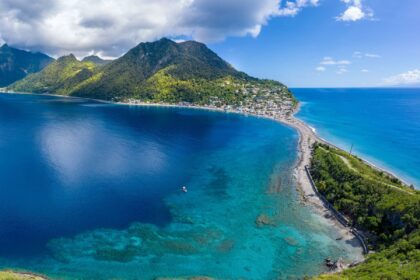
Diving In The Caribbean
The vibrant coral reefs of Cow and Calf
Expect majestic views down into the Atitlán caldera and lake.
The iconic Great Blue Hole promises a unique diving experience.
This oceanic archipelago is great for hikers and divers alike.
If you’re lucky, you may spot a whale shark in the warmer spring and summer months.
Schooling hammerheads are a signature sight at both Wolf Island and Darwin’s Columns (formerly Darwin’s Arch).
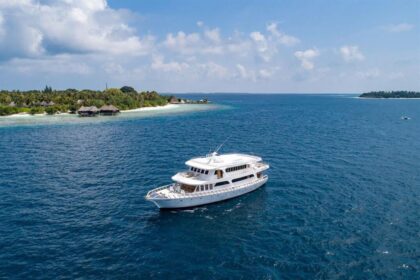
The Blue Melody offers divers the opportunity to explore shipwrecks, experience incredible drift dives, and spot seasonal pelagics.
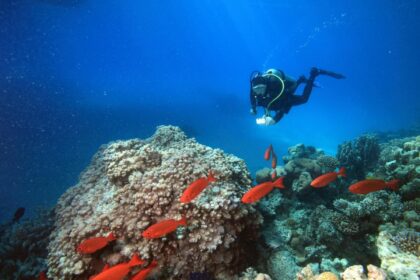
Scuba diver explore beautiful coral reef. Underwater photography in Indian ocean, Maldives
Whether you’re planning your first dive trip or your one hundred, DIVEIN.com is built to help you make better decisions.
We’re a team of certified instructors, divemasters, and experienced divers who test gear in the water and visit destinations firsthand. Our guides are written by real experts with real names. Not anonymous content writers. We’ve been at it since 2009. Independent and founder-run from day one.
ANTHONY'S KEY Resort
Roatan, Honduras
Anthony's Key Resort: Diving, Dolphins and a Private Key
35+ sites minutes from the dock
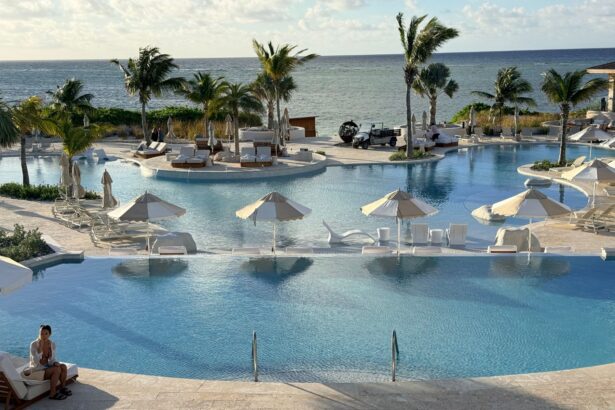
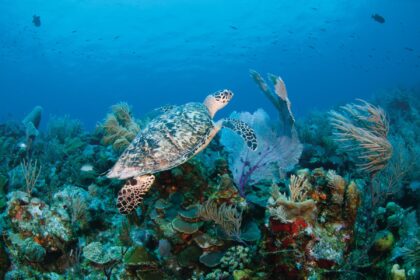
Roatan diving with the logistics handled. Anthony's Key is a family-run resort on a private key, with more than 35 wall, reef and wreck sites 5 to 30 minutes from the dock, plus a long-running dolphin program and Bay Islands add-ons. Easy Caribbean diving, sorted the moment you land.
See here
Win Free Scuba Gear
Loved by diversFree
We test new gear weekly and give most of it away to newsletter subscribers.
🤿 Join our newsletter to learn how you can get your hands on some free scuba gear!
New giveaways every month!
EXPLORE
Browse 400+ gear reviews
By diversUpdated 2026
BCDs, regulators, dive computers, masks — every piece tested in the water by working dive instructors. No paid placements.
The World's Best Dive Sites
Editor rankedUpdated 2026
From the Great Blue Hole in Belize to Sipadan and Indonesia — our ranked list of must-dive sites worldwide, with depth, season, and difficulty notes for each.
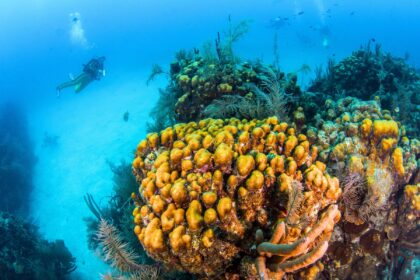
Best diving in the Caribbean
Local intelUpdated 2026
Bonaire, Cozumel, Roatan, the Caymans — we compare the region's top destinations so you pick the right island for your next trip.
Caribbean
Dive into
Your default first international dive trip — direct flights from most US hubs, warm water year-round, and dive operations that already speak your language. The variety is bigger than people give it credit for: shore diving in Bonaire, walls in the Caymans, drift dives in Cozumel, and shark feedings in the Bahamas. Start here and you’ll find yourself coming back every winter.
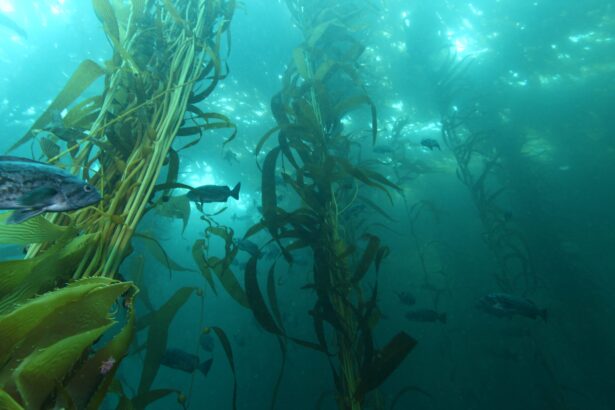
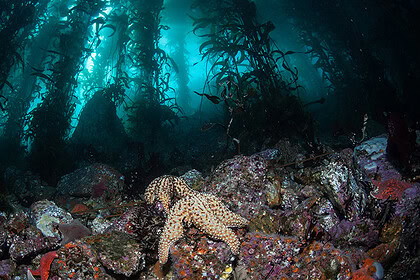
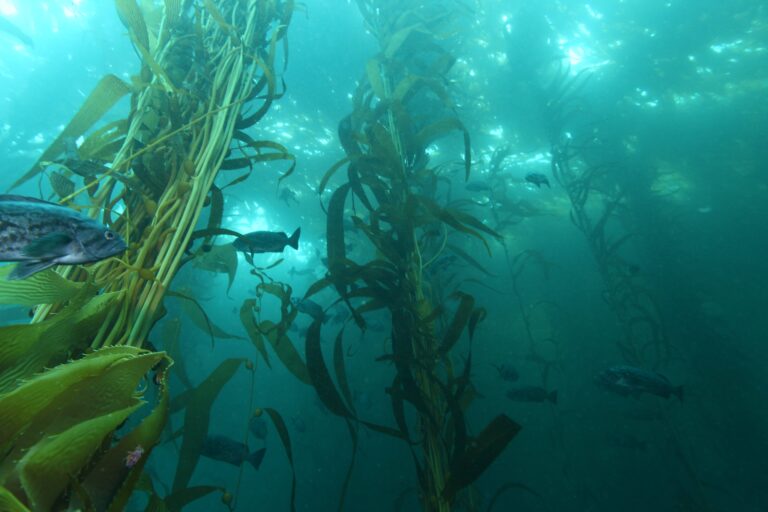
World-class diving without a passport. Florida’s springs and wrecks, Hawaii’s lava tubes and mantas, California’s kelp forests, and the wreck graveyard off North Carolina where sand tigers stack up thick enough to block your dive light. Domestic diving gets dismissed; it shouldn’t.
Where two oceans meet on a short flight from the US. The Belize Barrier Reef and Honduras’s Bay Islands deliver the classic Caribbean reef experience; the Pacific side gets you sharks at Costa Rica’s Cocos Island and Panama’s Coiba. Mexico’s cenotes are unlike anything else on Earth.
Diving in Central America spans two oceans and a barrier reef: mellow Caribbean walls and shallow gardens in Belize and Honduras, plus volcanic Pacific sites…
Bucket-list pelagic territory. Galápagos delivers schooling hammerheads, whale sharks, and sea lions in a way nowhere else can match, and Colombia’s Malpelo is the lesser-known Pacific sister. This is where US divers go when the home reef has lost its thrill.
Diving in South America is divided into two clear styles—pelagic liveaboard expeditions for big schools and blue-water action, and day boats for reefs and walls.…
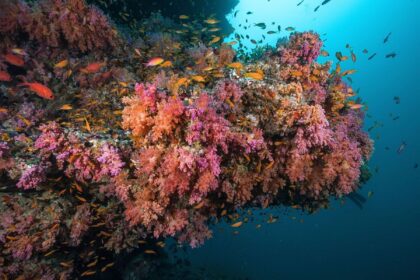
Long flights, iconic payoffs. Fiji is the world’s soft-coral capital, Palau gives you Blue Corner and Jellyfish Lake, and Australia opens up the Great Barrier Reef and Ningaloo’s whale sharks. The Solomon Islands are still genuinely off the grid if you want a trip nobody else in your dive club has done.
The least visited country in the Coral Triangle, the Solomon Islands is a string of nearly 1000 beautiful tropical islands in the shimmering blue seas…
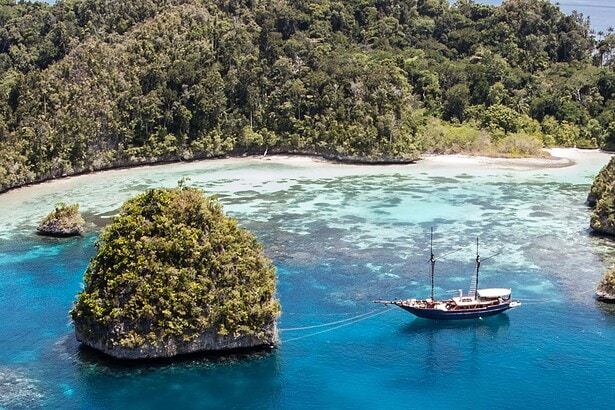
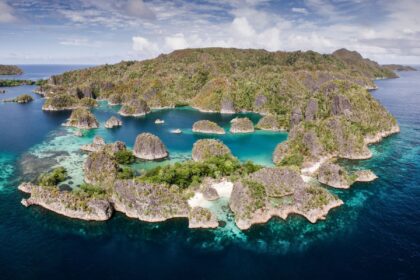
The most marine biodiversity on the planet, and some of the best dollar-per-dive value once you’re willing to fly long-haul. Indonesia’s Raja Ampat and Komodo are bucket-list flagships; the Philippines is the macro photographer’s playground; Thailand and Vietnam are where a lot of US divers get their first big international trip under their belt.
17,508 islands; 50,000 miles of coastline; 1.2 million square kilometers of territorial waters—all of these combine to create scuba diving heaven. There truly is no…
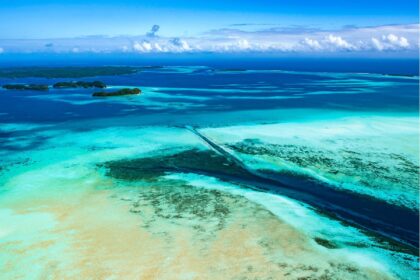
The Maldives is liveaboard country — channel dives with grey reef sharks, manta cleaning stations, and the chance of a whale shark cruising past on a daytime snorkel. Atoll-hopping by boat for a week is the move, but resorts work too if you’d rather stay put.
The Maldives is undoubtedly a world-class dive destination. Renowned for its rich waters and home to an array of colorful marine life and vibrant coral…
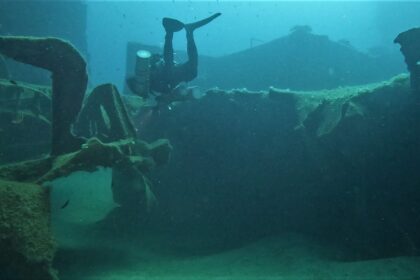
Egypt’s Red Sea is the closest thing to a perfect liveaboard destination: warm, clear water, healthy reefs, sharks at Brothers and Daedalus, and the SS Thistlegorm — one of the most famous wreck dives in the world. From the US it’s a long-haul, but you’ll squeeze more diving per trip here than almost anywhere.
Japan rewards divers who want something completely different. Mikomoto Island runs schooling hammerheads in summer, the Izu Peninsula’s macro biodiversity surprises divers used to tropical reefs, and you can pair the diving with a cultural trip Americans rarely fit into a dive itinerary.
The trip you build into a vacation rather than fly halfway around the world for. Malta delivers WWII wrecks and crystal-clear visibility, Mallorca pairs reef diving with great Mediterranean food and a built-in vacation, and Denmark and Cornwall give the cold-water crowd surprising shark and seal encounters.
Turkey, also called Türkiye, sits at the crossroads of Europe and Asia, where the Mediterranean and Aegean seas meet along a coastline steeped in thousands…
Learn all you need to know about scuba diving from DIVEIN.com
Scuba diving allows you the freedom to explore the beauty and serenity of the underwater world, experience the feeling of being weightless, marvel at beautiful coral formations, and see countless species of fish and aquatic animals.
Diving may be a weekend hobby for you, like it is for most of us. We usually meet up with friends early on a Sunday morning, returning with smiles from ear to ear in the afternoon.
Or maybe you’d like to take it further and become a professional scuba diver or dive instructor. Not only will you make a living doing what you love, but you’ll also likely travel to scenic areas and meet many unique people — the perfect job!
No matter how much you’d like to make diving a part of your life, let DIVEIN.com get you started. We’ll help you decide what gear to buy, where to dive on your next trip, and offer plenty of tips and tricks for safe, enjoyable dives along the way.
Scuba diving vs. snorkeling
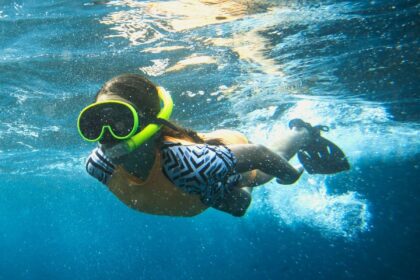
While snorkelers enjoy the underwater world while looking down upon it from the surface, divers experience true immersion in the scene. Skin divers may stay at the surface to get an overview of what’s underwater, but will then swim down to get a better peek.
Finally, freedivers will descend on a breath-hold dive to spend as much time as possible at the shallow reef. If you’re ready to make the leap and buy your own scuba gear, check out our guide here. Want to get better at snorkeling? Here’s our full snorkel guide.
Our in-depth guide to scuba diving
Basic Scuba Diving
Ok. You’ve seen how good scuba diving looks in the movies, but making it look good takes some experience and technical prowess. No worries. We’ve collectively cultivated some of the best habits gleaned from life underwater for you to adopt in order to make it look good and feel even better at the same time.
If you want to stay longer underwater or want to learn better finning techniques, we got you.
After getting a taste of the underwater world it’s only natural not only to want to do it better but also to want more of it. Fortunately, others have been here before and there’s the innovation to prove it.
Nitrox and rebreather apparatuses make things a little more technical but present the possibility for a payoff in the form of longer periods underwater, giving more time and security to explore caves in harder-to-reach areas at slightly more inaccessible depths.
Back-rolling off a zodiac into the water is a rite of passage for most scuba divers.
Diving and Taking Care of the Environment
Scuba diving and snorkeling are what they are because of the dynamic natural aquatic environment. As ecosystems are punished by overfishing and pollution, conservation of the oceans is a necessary part of maritime activities making us acutely aware of the need to do more.
Bleaching of coral reefs due to warming temperatures is one visual reminder of the impact human industry has on not just the air we breathe but also on the oceans. It is the sea that absorbs the excess burden of our collective activities mitigating climate change as much as it can until it too falls out of balance.
Check out some info on how you can help conservation efforts. Join others striving to protect the integrity of marine ecosystems.
Manta ray filter feeding above a coral reef in the blue Komodo waters
Skin Diving & Freediving: Stripped-Down Diving
Before there was scuba, there was skin diving. Skin diving is swimming underwater while holding your breath for leisure or fitness. Freediving is the competition-based discipline of divers holding their breath for as long as possible to swim as deep or as far as possible.
Whereas snorkeling is the total leisure approach to observing the aquatic universe from the surface, skin diving and freediving demand dealing with the hydrostatic pressure that increases as you dive deeper. Even though there’s no tank you need to practice equalizing, maybe even more so because you’re holding your breath and it’s air that is getting constricted.
If you like snorkeling, you’ll love diving.
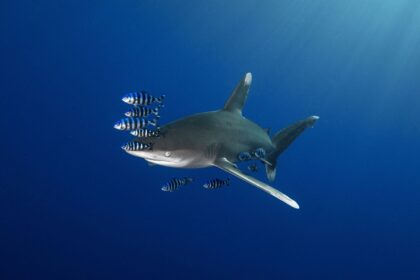
Scuba Diving and Snorkeling With Sharks
It’s a fairly well-accepted truth that sharks aren’t as dangerous as the movies make them out to be. Sharkwater, a documentary by conservationist Rob Stewart (read his obituary) succeeded in bringing this truth to a wider audience and since then swimming with sharks has boomed. But so has awareness of the role these ancient species play in creating balance in the ocean.
Divers and snorkelers who share the water with sharks experience exhilaration and awe. It’s normal to be insecure about sharks because they are predators and some of them can appear menacing. But the truth about sharks reveals that they are in fact preyed upon by human activities including industrial fishing, demand for shark products in cosmetics and by restaurants, and, of course, climate change affecting their habitat.
73 million sharks are slaughtered each year for their fins alone, with the total number much higher when fishing is included. As awareness and understanding increases so too does our ability to help conserve the natural world.
As scuba divers and snorkelers increasingly encounter sharks, demand for cage diving with great white sharks and shark safaris are also on the rise. Shark feeding too has become widespread, with debate swirling around from different points of view. Does it encourage shark attacks, for example? Not likely.
Shark diving is safe
Whether it’s wise to feed sharks will continue to be debated. It is clear from data that it is not particularly dangerous to kit up and swim with sharks as long as the basic guidelines are followed. Being safe and maximizing fun is why rules exist in the scuba world.
If you’re going to swim with sharks, do your research on the dive center and continue to behave like the responsible diver that you should be to help maintain the ocean and carry-on the spirit of people like Cousteau and Stewart. Meanwhile, check out this shark tracker to see how far they swim.
Tiger Beach is one of the most popular dive sites in the Bahamas.
















 ANTHONY'S KEY Resort


